Floral Garden Embroidery Design Review for Business Use
First Impressions of Floral Garden
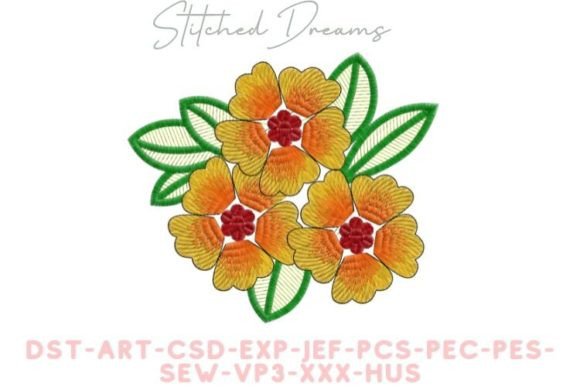
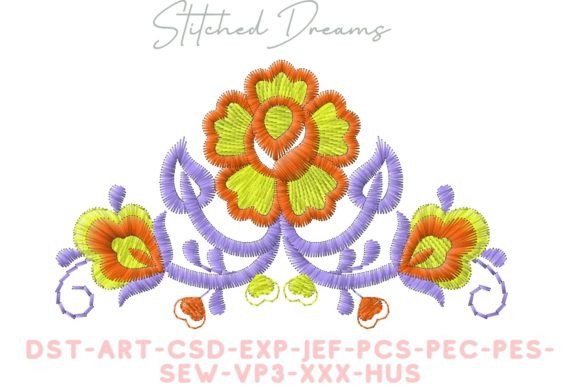
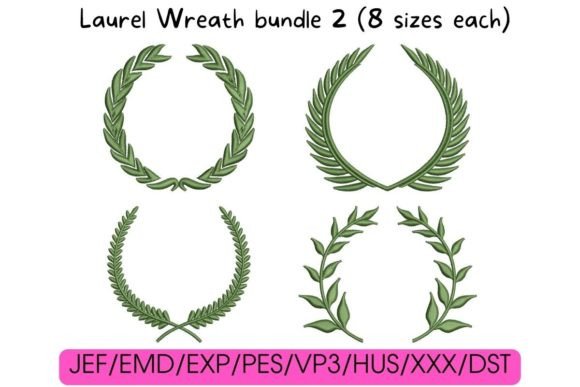
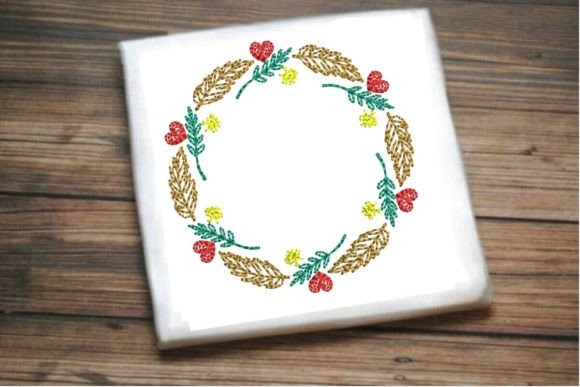
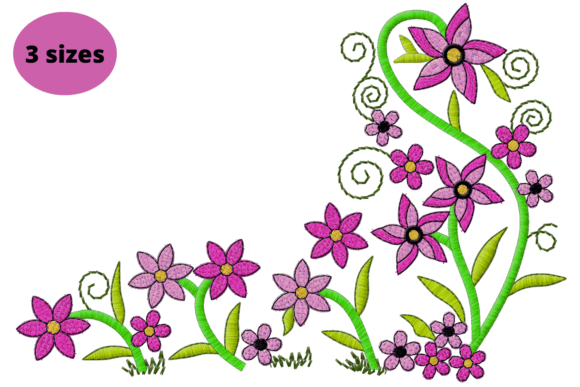
At first glance, the Floral Garden embroidery design exudes a warm, inviting aesthetic that leans toward the premium and elegant. The name itself evokes imagery of blooming petals and natural beauty, while the description highlights its versatility in color and scale, which is essential for small business branding. This design feels professional yet approachable—perfect for businesses that want to communicate creativity, quality, and a personal touch. The Floral Wreath motif suggests a decorative element that can serve as both a subtle accent and a bold statement, depending on how it's applied. As an experienced embroidery designer, I immediately see potential for this design in branded patches, staff uniforms, and even product labels. However, its visual complexity means some applications may require careful consideration.Business Applications and Performance
The Floral Garden embroidery design has broad appeal across industries such as cafés, boutiques, bakeries, florists, pet brands, and creative studios. Its floral composition makes it especially well-suited for businesses with a nature-inspired or artisanal identity.
Embroidered Patches
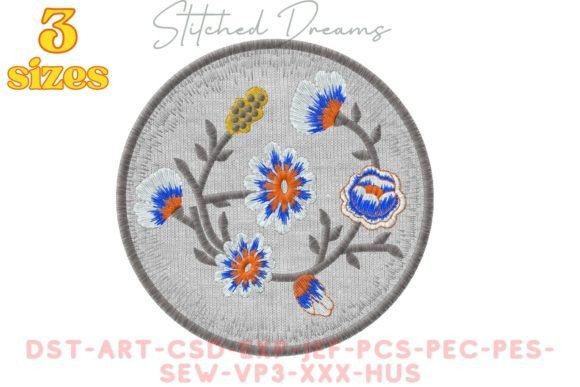
This design works beautifully as an embroidered patch. It can be stitched onto tote bags, aprons, or even used as a label for handmade products. When scaled appropriately, the details remain intact without becoming overwhelming. For boutique merch or Etsy branding, it adds a refined, personalized feel.
Staff Uniforms
As a chest logo or sleeve detail, Floral Garden brings a soft, artistic edge to custom apparel. It’s ideal for casual uniforms where a more handmade presentation is desired. For example, a café could use it subtly on aprons or caps to reflect their community-focused, artisanal vibe.
Apron Embroidery
On aprons, the design can serve as a background pattern or a centered logo. Since aprons are often worn during hands-on work, the stitch density and fabric texture must be carefully evaluated to ensure durability and comfort. A lower-density version might be preferable here.
Cap and Tote Bag Design
For cap embroidery, particularly on curved surfaces like front panels, the design should be simplified or adjusted to maintain clarity. On tote bags, however, it shines—especially when placed centrally as a statement piece. Its adaptability allows for seamless integration into tote bag designs without overshadowing other text or graphics.
Product Packaging Accents
A smaller version of Floral Garden can make a great accent on tags or labels for product packaging. It adds a layer of sophistication and ties the brand together with a cohesive visual theme. Just be sure to test it at smaller sizes before finalizing production.
Commercial Projects
In commercial embroidery settings, this design offers enough flexibility to suit various needs—from high-volume orders to niche, handmade collections. The ability to adjust colors makes it a strong candidate for small business merch that requires alignment with existing brand palettes.
Where to Use With Caution
While Floral Garden is visually appealing, certain aspects of the design demand attention to avoid issues during production:- Small Patch Sizes: Due to its intricate nature, the design may lose definition when scaled down too much. Always check if it remains legible and balanced in miniature form.
- Cap Fronts: The curvature of cap fronts can distort the wreath shape. Consider simplifying the layout or using a mockup to preview placement.
- Curved Surfaces: Any application involving rounded items (like mugs or curved patches) needs a reworked layout to maintain symmetry.
- Tiny Lettering: If the design includes text, be cautious with very small fonts. They may not translate well in embroidery format.
- High Stitch Density: Dense stitching can cause puckering or stiffness in fabrics. Optimize the design for appropriate areas and consider using cutaway stabilizer.
- Textured Fabric: Textured materials like denim or canvas can alter the appearance of fine details. Test samples before full production runs.
- Dark Uniforms: On dark backgrounds, thread contrast becomes critical. Choose light-colored threads or simplify the design to ensure visibility.
- Frequent Washing: For items like aprons or tote bags that get regular use, evaluate how the design holds up after multiple washes and wear cycles.
Impact on Brand Identity and Customer Engagement
The Floral Garden design can significantly enhance brand identity by adding a consistent visual language across all merchandise. Whether used as a recurring motif on caps, tote bags, or event merch, it helps build customer recognition and trust through repeated exposure.
Its elegant and premium look elevates the perceived value of your finished product, making it suitable for luxury or artisanal markets. At the same time, the design’s organic feel supports a handmade brand image, which resonates strongly with today’s conscious consumers.
When paired with other design assets like minimalist logos or clean typography, Floral Garden contributes to a balanced and stylish aesthetic. It can also serve as a backdrop for client names or taglines in printable mockups, helping you showcase your offerings professionally to clients or customers.
Practical Notes for Embroidery Designers
Before incorporating Floral Garden into a project, follow these best practices to ensure optimal results:- Test in Black and White: Check how the design translates in grayscale to assess balance and structure before choosing thread colors.
- Check Small Patch Size: Scale it down and stitch a sample to verify that key elements still appear clearly.
- Review Thread Color Contrast: Especially important for dark fabrics. Use lighter shades or reverse the color scheme for better visibility.
- Inspect Spacing: Ensure there’s enough room between elements to prevent overcrowding, especially on compact items like caps or buttons.
- Confirm Hoop Size: Larger hoop sizes may be necessary for detailed sections. Avoid stretching the design beyond its intended dimensions.
- Test on Real Fabric: Digital embroidery files look one way on screen but behave differently in real-world conditions. Always do a trial run.
- Use Proper Stabilizer: Depending on the fabric type and stitch density, choose a stabilizer that prevents distortion and ensures smooth embroidery.
- Create a Mockup: Present a printable mockup to clients so they can visualize how the design will look on the final product.
- Compare Beside Other Assets: Make sure the design complements your other branding elements without clashing or overpowering them.
- Confirm Commercial Licensing: Before using Floral Garden in any business context, verify that the digital embroidery file comes with commercial rights.