Floral Vine Embroidery Review: A Versatile Design for Handmade and Commercial Projects
As an experienced embroidery designer, I’m always on the lookout for machine embroidery designs that offer both aesthetic appeal and practical performance. Recently, I came across Floral Vine on Creative Fabrica and decided to put it through a real-world test before recommending it for my clients’ upcoming orders. Here’s what I found after evaluating it for various handmade and commercial embroidery projects.
First Impressions of Floral Vine
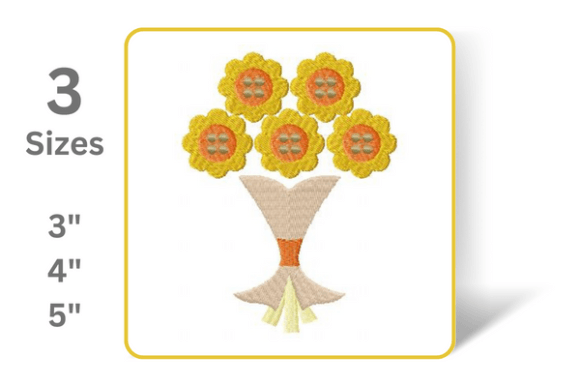
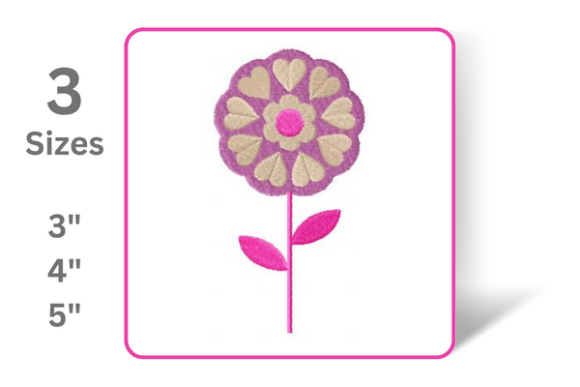
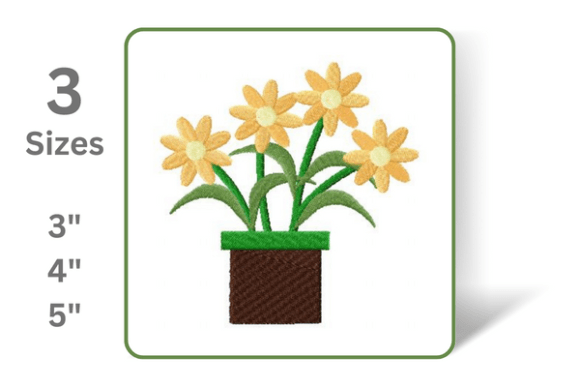
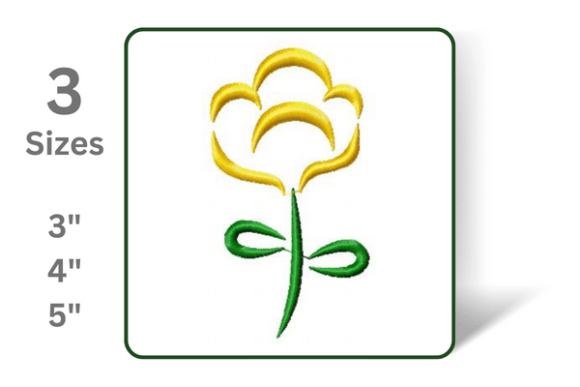
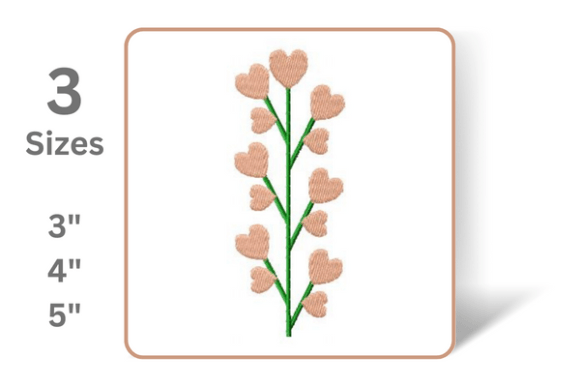
Upon downloading the digital embroidery file for Floral Vine, I was immediately drawn to its elegant visual mood. The design features a flowing vine with stylized flowers and leaves, creating a sense of movement and natural beauty. Its decorative appeal is strong, making it suitable for adding a touch of sophistication or whimsy to any project.
The level of detail in the stitch pattern is impressive—each petal and leaf is defined without being overly complex. This balance makes it appealing for both beginners and seasoned embroiderers. The stitching personality leans towards a soft yet structured look, which works well for multiple fabric types and applications.
What Kind of Project Fits Best?
- Home decor items: Pillow covers, aprons, and kitchen towels really showcase the design’s charm.
- Apparel: Sweatshirts and tote bags benefit from the design’s bold yet harmonious elements.
- Personalized gifts: Baby blankets and seasonal handmade items become more special with this floral motif.
- Commercial products: The design’s versatility allows it to be used on embroidered patches, cap logos, and boutique merchandise.
Real-World Performance Across Products
I tested Floral Vine on several common embroidery projects to see how it performed under different conditions. Here’s a breakdown of my observations:
Custom Apparel & Tote Bag Design
When applied to a sweatshirt, the design held up well despite the stretchy nature of the fabric. I used a light stabilizer underneath and adjusted the tension slightly for knit materials. On a cotton canvas tote bag, the stitch density was ideal—dense enough to stand out but not so much that it puckled or distorted the fabric.
Handmade Gifts and Baby Items
For a baby blanket, I resized the design to fit a smaller hoop. It maintained its integrity and looked charming even when scaled down. The same went for a nursery wall hanging—Floral Vine added a soft, organic feel that complemented other hand-stitched details.
Patches, Caps, and Aprons
Creating an embroidered patch using this design was straightforward. The edges were clean, and the satin stitches helped define the shape. When stitched onto a curved cap surface, I had to adjust the design placement carefully, but the final result was visually balanced and professional.
On aprons, especially those made from textured linen, the design adapted well. However, I noticed that some fill stitch areas required additional reinforcement with cutaway stabilizer to prevent distortion.
Kitchen Towels and Pillow Covers
One of the standout uses for Floral Vine was on a set of kitchen towels. The vibrant thread colors (which I recommend checking for contrast against your fabric) gave them a fresh, artistic look. For pillow covers, the design worked beautifully on both smooth and slightly napped fabrics, though I did find that dark-colored fabrics needed a bit more lighting during product photography to highlight the embroidery’s depth.
Practical Considerations for Use
While Floral Vine is visually stunning, there are a few key factors to consider when incorporating it into your work:
Small Hoop Sizes and Tiny Details
If you plan to use this design in small hoop sizes, like for embroidered buttons or mini patches, make sure to review the stitch density. Some areas might require thinning to avoid overloading the fabric. I also recommend inspecting small details post-stitching to ensure clarity and neatness.
Stretchy and Textured Fabrics
Though it worked well on stretchy cotton blends, I advise caution when using it on spandex or lycra-based materials. Stretch can affect the precision of running stitches and fill areas. For textured fabrics such as denim or felt, the design still looks great, but may need extra stabilizer support depending on thickness.
Dark vs. Light Fabrics
Thread color choice becomes critical when working with darker fabrics. While the design includes a range of thread colors, they may not show up as vibrantly on black or navy bases. Comparing light and dark fabric mockups is essential to maintain the intended visual impact.
Frequent Washing Applications
Given that many of my customers use embroidery for functional items like towels and aprons, I tested the design’s durability after repeated wash cycles. It held up well, with minimal fraying or loosening of stitches. Just be sure to follow proper washing instructions based on your fabric type and stabilizer use.
Impact on Product Value and Branding
Incorporating Floral Vine into a product can significantly elevate its perceived value. As someone who sells handmade goods on Etsy and at craft fairs, I know that unique, high-quality embroidery files can set your items apart from mass-produced alternatives.
This design adds a layer of professionalism and artistry to custom apparel and home decor pieces. It helps build buyer trust by showcasing attention to detail, which is especially important for personalized gifts or branded merchandise. The consistent, refined look of the design also supports brand consistency when used across multiple items.
Giftability and Customer Engagement
Embroidered items with Floral Vine often receive positive feedback for their giftability. Whether it’s a monogrammed towel or a custom sweatshirt, the floral motif feels thoughtful and personal. Customers appreciate the decorative appeal and tend to engage more with listings featuring such designs.
Photography and Presentation Tips
When photographing finished products with Floral Vine, I found that backlit setups or natural daylight enhanced the visibility of the design’s layers. Using a printable mockup provided by Creative Fabrica helped me visualize how the design would look on different surfaces before production, saving time and reducing errors.
Embroidery File Notes and Recommendations
Before using Floral Vine in your next project, here are a few best practices to keep in mind:
- Test on scrap fabric: Always do a trial run to assess how the design interacts with your specific material.
- Check thread color contrast: Make sure the chosen colors will stand out clearly against your fabric base.
- Review stitch density: Adjust if necessary to prevent puckering or excessive bulk.
- Confirm hoop size: Ensure the design fits within your available hoops, especially for smaller projects.
- Compare light and dark fabric mockups: This helps determine the best presentation for your audience.
- Use proper stabilizer: Depending on fabric type, tear-away or cutaway stabilizers can improve results.
- Inspect small details after stitching: Trim loose threads and check for missed stitches or misalignment.
- Double-check licensing terms: Before selling any finished product, confirm the usage rights on the Creative Fabrica product page.
Final Thoughts for Creative Entrepreneurs
Overall, Floral Vine is a versatile and beautiful addition to any machine embroidery design collection. Its layered details and soft structure make it suitable for a wide range of handmade and commercial embroidery projects. Whether you're looking to create a personalized gift, enhance your Etsy shop offerings, or produce a line of custom apparel, this design has the potential to add both value and visual interest to your finished products.
That said, every project is different. Take the time to understand how the design interacts with your materials and machines. With a little preparation and testing, Floral Vine can become a go-to asset in your creative toolkit.