Wildflowers Embroidery Design Review for Craft Fairs
First Impressions of Wildflowers: A Natural Statement
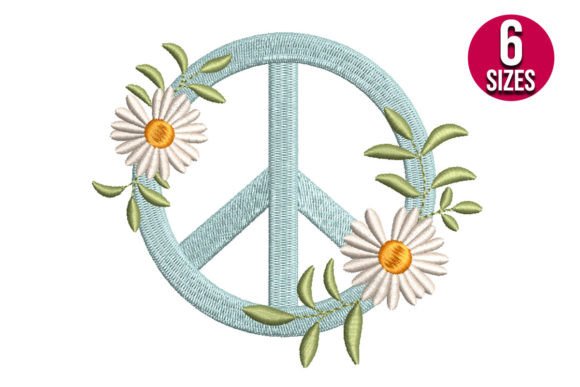
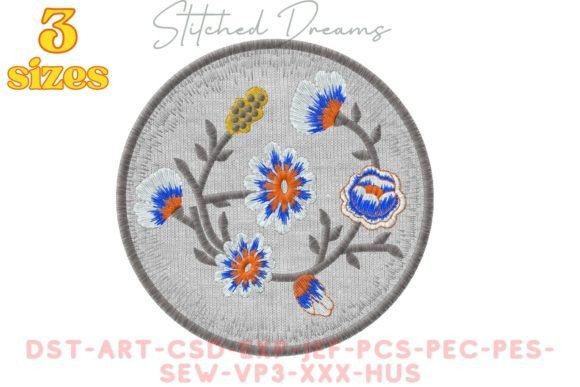
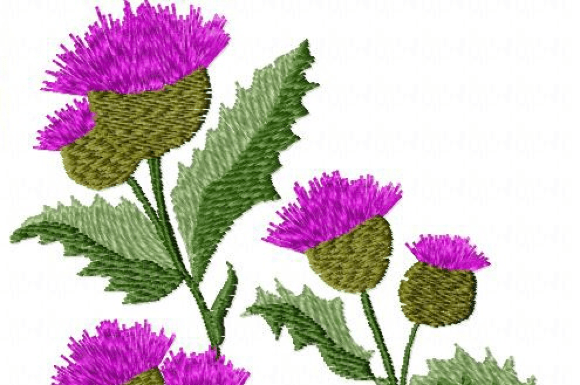
As an experienced embroidery designer, I always start with the first impression. When I read the title and description of Wildflowers, I immediately sensed a blend of charm and sophistication. This design is described as “enchanting” and “bursting with vibrant colors,” which tells me it’s not just another floral motif—it's a celebration of nature in needlework form. The overall mood feels farmhouse-inspired, yet versatile enough to lean into more elegant or even modern aesthetics depending on the product and fabric choice. The phrase “meticulously crafted by our dedicated family of craft artisans” speaks volumes about its handmade quality and attention to detail. These are key selling points for any craft fair seller or handmade shop owner looking to stand out.Where Wildflowers Shines in Product Form
I imagine Wildflowers making a strong visual impact when applied to several common craft fair products. Here’s how it could perform across different items:- Tote Bags: The design’s natural beauty will make it a showstopper on linen or canvas tote bags. It can be placed asymmetrically for a modern look or centered for a classic feel.
- Aprons: An embroidered wildflower pattern adds a touch of whimsy and personality. It works well on the front panel or along the straps for a subtle accent.
- Tea Towels: The bright colors and organic shapes of Wildflowers will catch attention in a kitchen setting. They’re perfect for adding a decorative flair without being too overpowering.
- Embroidered Patches: This design could become a popular add-on for denim jackets, backpacks, or even custom hats. Its intricate details make it ideal for showcasing your craftsmanship up close.
- Pillow Covers: Whether you go with cotton, linen, or burlap, the soft curves and rich hues of Wildflowers bring warmth and texture to home décor displays.
- Market Bags: Reusable market bags with this design can double as both functional and fashion-forward items—especially if they're made from sturdy jute or recycled materials.
- Handmade Gifts: From small pouches to personalized tea towels, Wildflowers elevates everyday items into thoughtful, giftable pieces that resonate with customers who appreciate artisanal work.
- Booth Samples: As a sample piece, this design invites curiosity and admiration. It’s visually engaging enough to draw people to your booth and spark conversations.
Visual Appeal and Customer Engagement
Wildflowers has a soft, inviting aesthetic that appeals to a wide audience. Its machine embroidery design seems detailed but not overwhelming, which is great for attracting buyers who appreciate subtle elegance or bold creativity. In person, the design’s vibrancy and layered petals can really come to life, especially when stitched onto light-colored fabrics like white cotton or off-white linen. However, on darker fabrics, the thread colors may need to be adjusted to maintain visibility and depth. If you're an Etsy seller or digital embroidery file provider, this means testing multiple colorways before listing them online. Photographically, Wildflowers photographs beautifully—especially when backlit or paired with earthy textures. For printable mockups, consider placing the design on a simple background to let the embroidery pop. This makes it easier to create appealing listings for small shop product lines or commercial embroidery ventures.Practical Production Considerations
When considering batch production, there are several practical aspects to evaluate with Wildflowers:Size and Placement: This design can work both as a large focal point and a smaller accent. On larger items like aprons or tote bags, going big allows the flowers to take center stage. For patches or caps, scaling it down still maintains its charm but requires careful attention to stitch clarity.
Density and Fabric Texture: Because it’s bursting with color and detail, the stitch density might be quite high. Dense areas can cause puckering or stiffness, especially on thinner or stretchier fabrics. Make sure to test the design on scrap fabric before committing to a full run. Using the right stabilizer will be crucial here, particularly if you plan to embroider on textured towels or thick canvas.
Hoop Size and Spacing: Depending on the size of the final product, you’ll want to confirm the hoop size needed for smooth stitching. Also, check the spacing between elements to ensure the design doesn’t get crowded when repeated or resized.
Useful Tips for Selling Wildflowers at Your Booth
To maximize the appeal of Wildflowers at your next craft fair, keep these tips in mind:- Test on Real Fabrics: Don’t rely solely on the digital preview. Stitch Wildflowers on a few different house-related items (like a pillow cover or market bag) to see how it looks in person.
- Check Thread Contrast: Ensure the thread colors stand out against the chosen fabric. Dark threads on dark backgrounds won’t do your embroidery justice.
- Create Mockups: Use printable mockups to showcase Wildflowers on various products. This helps potential buyers visualize the design in their homes.
- Compare Fabric Colors: Try the design on white, cream, and gray tones to see which best highlights its natural essence.
- Confirm Licensing: Before turning Wildflowers into a commercial product, verify whether the embroidery file includes commercial embroidery rights. This is vital for digital sellers and boutique makers who want to scale their offerings.
Design Strengths and Weaknesses
One of the strengths of Wildflowers is its versatility. It fits seamlessly into farmhouse, bohemian, and minimalist styles alike. That adaptability gives it a broader appeal, especially at multi-vendor fairs where trends vary.- The design contains dense stitch areas, so some house items like thin linens may not hold up well unless reinforced.
- If used on curved surfaces such as caps, the placement needs to be carefully considered to avoid distortion.
- Small lettering or tiny flower details might lose definition when scaled down for patches or mini pouches.
- On very textured or thick fabrics, the design could appear less crisp unless proper tension and stabilizing techniques are used.