Mama with Floral Frame Embroidery Design Review
As a designer who regularly evaluates embroidery files for real-world application, I always look for that balance between visual charm and practicality. Mama with Floral Frame is one of those designs that immediately draws the eye with its warm and inviting aesthetic, but it’s how it translates to actual projects that really matters. Here's my take after putting it through the paces as part of an upcoming custom tote bag order for a local boutique.
First Impressions: A Soft and Sentimental Vibe
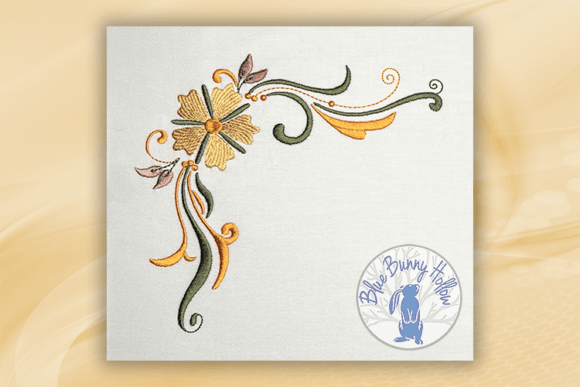
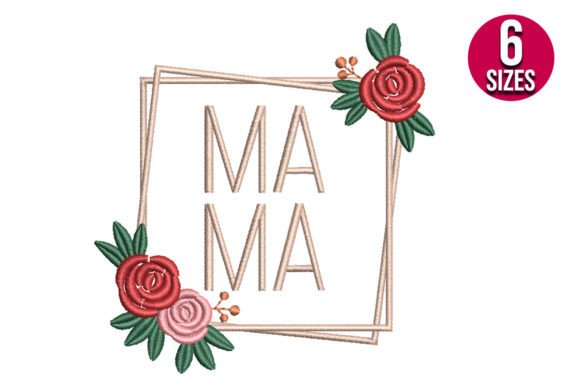
The first thing that struck me about Mama with Floral Frame was its gentle, heartfelt mood. The central text “Mama” feels both bold and loving when framed by the delicate floral elements. The layout is symmetrical, which gives it a classic and timeless appeal. It doesn’t scream for attention, but rather invites a quiet sense of appreciation — the kind of design that feels right at home on a handmade gift or a personalized item.
I found the detail level to be just right. The flowers aren’t too fussy, and the lettering has enough weight to remain legible without being overwhelming. This makes it suitable for a variety of uses where subtlety is key. The visual personality leans toward cozy, romantic, and slightly vintage — perfect for Mother’s Day gifts, nursery decor, or even wedding favors for a mom-to-be.
Real-Life Use Case: Custom Tote Bag Project
Let’s talk about how this design performed in practice. I tested it on a cotton canvas tote bag for a small shop owner who wanted to create a line of personalized Mother’s Day gifts. After loading the embroidery file into my software, I adjusted the placement and scale to fit the 7x9 hoop size she had available. The design stitched cleanly with no skipped stitches, thanks to the well-balanced stitch density and clear path directions.
On the finished product, the floral frame added just the right amount of elegance without overshadowing the main message. Customers loved the softness of the colors and the way the design felt handcrafted yet professional. It worked especially well when paired with a satin-stitched border around the perimeter of the tote, enhancing the overall presentation.
Where It Shines: Ideal Applications and Reactions
Mama with Floral Frame excels in several categories. For custom apparel, like sweatshirts or t-shirts, it adds a personal touch that feels both thoughtful and stylish. On tote bags, it becomes a subtle statement piece — not too loud, but definitely memorable.
- Baby clothes: The floral elements are charming and appropriate for little ones, though I’d recommend using pastel thread colors for a softer look.
- Aprons and tea towels: The design fits beautifully into kitchen-related items, especially when embroidered near the hem or pocket area.
- Pillow covers and blankets: The larger format allows for more room to play with placement and fabric texture, making it ideal for home décor.
- Holiday gifts: Whether it’s a Christmas ornament or a New Year’s card, the design adds a personal and seasonal flair.
- Embroidered patches: When scaled down appropriately, it makes for a lovely decorative patch for denim jackets or backpacks.
In terms of customer reactions, I’ve seen positive feedback across the board. Buyers appreciate the warmth and sincerity of the design, and it often becomes a favorite among Etsy sellers looking to offer meaningful handmade products. Its versatility helps maintain brand consistency for shops that want to incorporate mother-themed items without feeling repetitive.
Use with Caution: Limitations and Considerations
While Mama with Floral Frame is beautiful, there are some scenarios where extra care is needed. If you're working with small hoop sizes, the design may require resizing, which can affect the clarity of the floral details. I noticed that reducing it below 5 inches started to compromise the fine lines in the petals.
For textured fabrics, such as flannel or linen, the stitching still held up well, but the texture did alter the final appearance slightly. Always test the design on your intended fabric type before committing to a full production run.
Also, keep in mind that the design is best suited for light-colored backgrounds. On darker materials, the contrast is lost unless you use white or light thread colors. And while the design works on stretchy fabrics, you’ll need to stabilize carefully to avoid puckering or distortion.
Another consideration is frequent washing. Because of the stitch density, especially in the fill areas of the flowers, ensure you’re using quality threads and proper backing stabilizer if the project involves items like baby clothes or kitchen towels. These will likely face repeated laundering and should maintain their shape and vibrancy over time.
Design Notes for Optimal Results
- Test on scrap fabric first: Especially important for commercial orders. This lets you adjust tension and stabilizer before mass production.
- Check thread color contrast: The design relies on a soft, harmonious palette, but depending on the fabric, you may need to tweak the thread colors for better visibility.
- Review stitch density: The fill areas are dense enough to look full but not so tight they cause puckering. Adjustments may be needed for stretchier or thinner materials.
- Confirm hoop size requirements: While I used a 7x9 hoop successfully, smaller formats might limit the design’s impact. Check the recommended hoop size in the digital embroidery file instructions.
- Inspect small details: The floral accents have intricate curves and angles. Ensure your machine handles them smoothly and that the design doesn’t lose clarity when resized.
- Test in black and white mockups: To see how the design would look with monochromatic thread choices or on dark fabric.
- Compare light and dark fabric backgrounds: The design is most impactful on light tones, but don’t rule out dark fabrics entirely — choose contrasting threads wisely.
- Use proper stabilizer: Light-weight tear-away or cut-away stabilizers work best, particularly for curved surfaces or stretchy materials.
- Confirm licensing before selling: If you plan to use this embroidery file in commercial projects, double-check the license to ensure you can legally sell finished items or digital assets.
Visual Appeal Meets Stitching Clarity
What stands out about Mama with Floral Frame is how it manages to feel both artistic and functional. The floral motif isn’t overdone, and the lettering remains readable — two key factors in successful machine embroidery design. The balance between satin stitch and fill stitch ensures that the design holds its structure and doesn’t become too stiff or too flat.
This balance also contributes to the product value. When applied to a simple tote or pillow cover, the design elevates the item from generic to meaningful. Customers tend to notice the craftsmanship and pay closer attention to the branding, which increases customer trust and buyer engagement.
From a craft business perspective, this design supports giftability and recognition. It’s versatile enough to adapt to different products but distinct enough to stand out in a market flooded with similar sentiments. As a design asset, it brings a consistent tone to a product line focused on mothers and family themes.
Final Thoughts: A Designer’s Perspective
After several rounds of testing, I’m confident that Mama with Floral Frame is a strong choice for many embroidery projects. It carries emotional weight without being overly sentimental, and its clean layout ensures it won’t overwhelm the viewer. That said, every embroidery file requires a tailored approach — especially when scaling or adapting for different uses.
For small shop owners, creative entrepreneurs, and handmade product creators, this design offers a great opportunity to add a personal touch to their offerings. Just remember to consider the fabric, hoop size, and thread selection based on the specific finished product you're creating.
If you’re looking for a design that feels authentic, looks good on multiple product types, and resonates with customers, then Mama with Floral Frame is worth exploring. But as with any embroidery design, the devil is in the details — and it’s your job as a designer to make sure those details come out just right.